Deer Paper Cut: A Designer's Embroidery Review
As someone who has spent years navigating the intersection of digital design and physical stitching, I approach every new machine embroidery design with a specific set of questions. Will it stitch out cleanly? Does it translate well from a screen to fabric? And most importantly, will my customers love the finished product enough to buy it again? Recently, I put Deer Paper Cut, Vector Illustration. through its paces in my studio, not just as a file to download, but as a potential asset for my upcoming fall collection of custom apparel and home goods. This review breaks down how this specific design performs when moved from the digital realm into real-world embroidery projects.
First Impressions: The Mood of the Deer Paper Cut Design
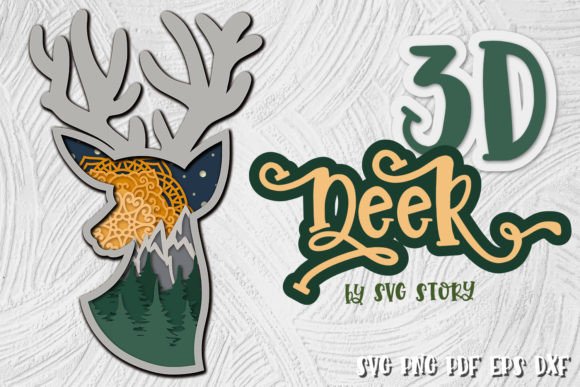
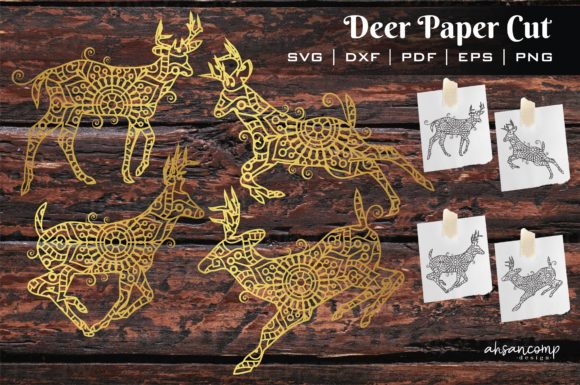
When you first open the files for Deer Paper Cut, Vector Illustration., the visual impact is immediate. It carries that distinct, layered aesthetic common to high-quality 3D SVG assets. The design relies on clean lines and geometric layering to create depth, mimicking the look of traditional paper cutting art. For an embroidery designer, this is exciting because it suggests a modern, stylized approach rather than a realistic, photo-realistic render. The mood is whimsical yet sophisticated, making it a perfect candidate for handmade products that need to stand out in a crowded market like Etsy or a local craft fair.
The layout is balanced, which is crucial when planning a hoop size. Unlike some intricate wildlife designs that get lost in tiny details, this deer maintains its character even when scaled down slightly. However, because it falls under the Shapes category, the success of the project hinges entirely on how the software converts those vector paths into stitches. The "paper cut" effect relies heavily on negative space and distinct layers, meaning your choice of fill stitch versus satin stitch will define the final look.
Real-World Application: From File to Fabric
To truly test the viability of Deer Paper Cut, Vector Illustration., I imagined a specific scenario: creating a line of premium tote bags for a boutique shop owner. Tote bags are a staple for any craft business, but they require a design that can withstand frequent washing and heavy use without losing its definition. In this context, the layered nature of the deer design offers a unique advantage. By using different thread colors for each "layer" of the cut-out style, you can achieve a rich, textured look that feels expensive and bespoke.
I also considered using this embroidery file for sweatshirt embroidery. On a heavy cotton blend, the bold shapes of the deer would pop beautifully, especially if placed on the back yoke or the front chest pocket area. The design's simplicity allows it to work well on dark fabrics, provided you use a light-colored stabilizer and perhaps a white underlay to make the threads vibrant. For personalized gifts, such as a baby blanket or a nursery pillow cover, the soft, organic feel of the deer fits perfectly with the cozy, woodland themes parents often seek during the holiday season.
One of the strongest selling points for an Etsy seller is the versatility of the design. Whether you are making an embroidered patch to sell as a standalone accessory or integrating it into a larger custom apparel piece, the Deer Paper Cut, Vector Illustration. holds its own. It works equally well as a subtle accent on a kitchen towel or as a statement piece on a denim jacket. This flexibility increases the perceived value of your finished product, allowing you to price items higher due to the complexity and uniqueness of the stitching.
Navigating Challenges: Where Caution is Needed
While the design is robust, no digital embroidery file is without its challenges. Because the Deer Paper Cut, Vector Illustration. relies on distinct layers to create its 3D effect, stitching it on very thin or stretchy fabrics requires careful attention. If the stitch density is too high in certain areas, it could cause puckering on a lightweight t-shirt or a silk scarf. In these cases, using a strong tear-away or cut-away stabilizer is non-negotiable to maintain the integrity of the fabric.
Another area to watch is the scale. While the design scales well, shrinking it too much for a small cap or a keychain can merge the separate layers together, destroying the "paper cut" illusion. The delicate corners and fine lines might blur if the machine isn't calibrated correctly or if the needle is dull. Additionally, if you plan to use this for commercial embroidery on curved surfaces like baseball caps, you must ensure the design is properly digitized for that specific hoop type, or the layers may shift during the stitching process.
Color contrast is also critical. Since the design uses overlapping shapes, using thread colors that are too similar can flatten the image, making it look like a single flat shape rather than a layered masterpiece. I recommend testing the design in black and white mockups first to see how the values read before committing to a full color palette. Comparing light and dark fabric backgrounds in your planning stage will save you time and thread later.
Practical Notes for the Professional Maker
If you decide to incorporate Deer Paper Cut, Vector Illustration. into your workflow, here are a few practical steps to ensure success. First, always test the design on scrap fabric that matches your final project material. This allows you to adjust tension and check for any thread breaks in the dense areas. Second, review the thread colors carefully; sometimes swapping a standard color for a metallic or variegated thread can elevate the design assets significantly.
Remember that this is a DIGITAL DOWNLOAD of files. No physical items will be sent to you. Any backgrounds, logos, mock ups, photos, framed or cut images seen in previews are for illustration purposes only. Included in this digital package are the necessary files, but it is up to you to verify the hoop size compatibility and licensing terms. Before selling any small shop product featuring this design, confirm whether the license allows for commercial use of the finished goods. Many designers allow sales of physical items but restrict the resale of the digital file itself.
Finally, consider the customer experience. When a buyer receives a personalized gift or a piece of holiday embroidery featuring this deer, they should feel the quality of the craftsmanship. Clean edges, secure knots, and vibrant colors contribute to customer trust and brand consistency. By taking the time to prepare properly, you turn a simple embroidery project into a professional, high-value item that reflects well on your business.
Final Thoughts on Visual Appeal and Value
In conclusion, Deer Paper Cut, Vector Illustration. is a strong contender for any designer looking to add a touch of modern elegance to their portfolio. Its ability to bridge the gap between digital art and tactile texture makes it a valuable tool for creative entrepreneurs. Whether you are decorating a baby embroidery item or creating a bold statement for a boutique branding campaign, this design offers the depth and character needed to engage buyers. With proper preparation and attention to detail, it can become a signature element in your handmade presentation, driving both recognition and sales in the competitive world of handmade decor and apparel.