3D Layered Easter Egg Design SVG Review
As a designer who has spent years navigating the intersection of digital assets and physical textiles, I approach every new file with a mix of excitement and skepticism. The market is flooded with generic clip art that looks fine on a screen but falls apart under the needle. When I first opened the 3D Layered Easter Egg Design SVG, my immediate goal was to determine if this asset could survive the transition from a digital download to a tangible, high-quality handmade product. This review breaks down how this specific design performs in real-world embroidery scenarios, focusing on its potential for custom apparel, boutique merchandise, and seasonal gifts.
First Impressions: Visual Depth and Seasonal Mood
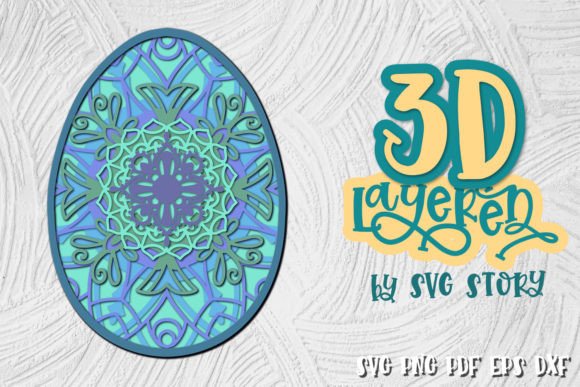
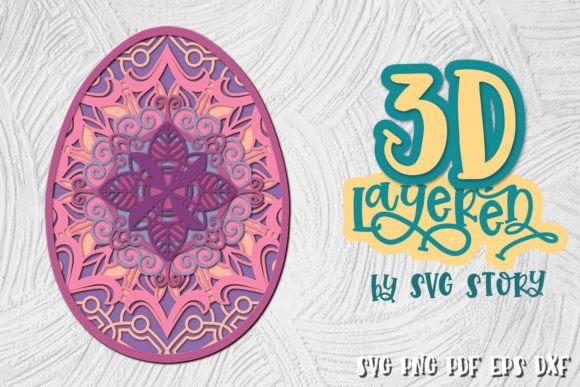
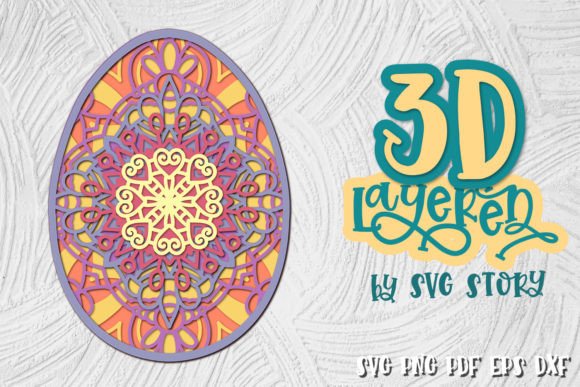
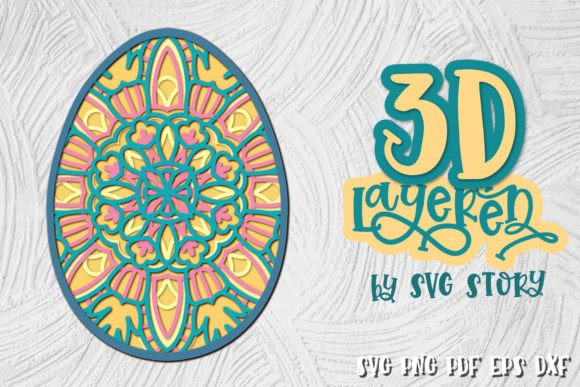
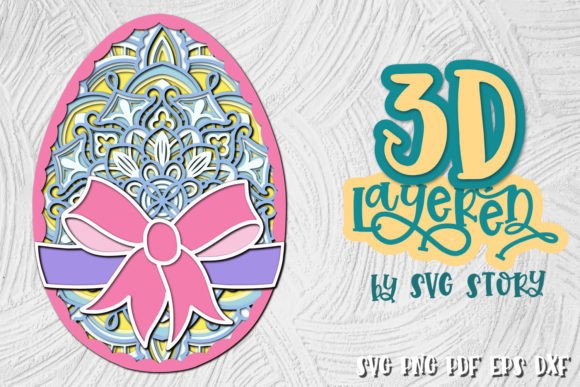
The concept behind the 3D Layered Easter Egg Design SVG is immediately appealing. In the world of Spring Easter decor, flat designs often feel underwhelming. They lack the dimension that makes a customer stop scrolling or pick up an item off a shelf. This design attempts to solve that by offering distinct layers that create depth. Visually, the layout suggests a playful, celebratory mood perfect for the season. However, as an embroidery professional, my eyes immediately go to the separation of these layers. For a successful machine embroidery design, the spacing between layers must be precise. If the gaps are too narrow, thread buildup can cause puckering; if they are too wide, the "3D" effect is lost.
The visual personality of this file feels versatile. It isn't overly cluttered, which is a common pitfall in holiday designs. Instead, it offers clean lines and bold shapes that translate well into stitch patterns. Whether you are planning a tote bag design for a craft fair or a delicate baby embroidery project, the aesthetic holds up. It strikes a balance between whimsical charm and structural integrity, making it a strong candidate for both personal projects and commercial embroidery ventures.
Real-World Application: From File to Fabric
To truly evaluate the 3D Layered Easter Egg Design SVG, I imagined integrating it into a specific project: a premium organic cotton tote bag for a local boutique. Tote bags are a staple for Etsy sellers and small shop owners, but they present unique challenges due to their fabric texture and frequent handling. In this scenario, the layered nature of the egg design becomes a major asset. By using different thread colors for each layer, you can create a shadow effect that mimics the depth seen in the digital preview.
When translating this to a sweatshirt embroidery project, the design's bold outlines shine. Sweatshirts have a heavier fabric texture that can swallow fine details. A design with intricate, tiny elements would get lost in the fleece loops. However, the substantial shapes in the 3D Layered Easter Egg Design ensure that the motif remains visible and crisp. I envision this working beautifully as a chest logo or a large back print on a hoodie, instantly elevating a basic garment into a seasonal statement piece.
For those creating embroidered patches, this file offers excellent potential. The distinct layers allow for creative stitching techniques, such as using a satin stitch for the outer borders and a fill stitch for the inner sections. This combination adds tactile interest, encouraging customers to touch the finished product. In a handmade product lineup, that tactile quality is often the deciding factor for a purchase. Furthermore, the design fits perfectly into holiday embroidery collections, serving as a centerpiece for pillow covers, kitchen towels, or even personalized aprons for spring baking events.
Navigating Challenges: Where Caution is Needed
While the design is robust, it is not without its limitations. As a reviewer, I must highlight where this file requires careful handling. First, consider the hoop size. Because this is a layered design intended to look three-dimensional, it likely requires a larger area than a simple icon. Attempting to shrink it into a small 4x4 hoop might compress the layers, causing them to merge visually and physically. Always check the dimensions before committing to a small hoop project.
Fabric choice is another critical variable. On thin or stretchy fabrics like jersey knit, the density required to make the layers pop could cause significant distortion. You would need a heavy-duty stabilizer to counteract the pull of the needle. Similarly, on dark fabrics, the contrast of the layers must be calculated carefully. Light pastel threads, common for Easter themes, might not show up well against black or navy backgrounds without a backing applique or a dense underlay. If you are planning custom apparel on dark materials, test the thread colors first to ensure visibility.
Another consideration is the complexity of the curves. While the design looks smooth on screen, tight curves in embroidery can sometimes result in jagged edges if the stitch density is not optimized. This is particularly true for curved surfaces like caps. The cap curve attachment might distort the roundness of the egg shape. Before running a full production batch, always do a test run on scrap fabric that matches your final material.
Strategic Value for Craft Businesses
For the creative entrepreneur or digital product seller, the versatility of the 3D Layered Easter Egg Design SVG extends beyond just stitching. The included file formats—SVG, EPS, DXF, PNG, and PDF—open doors for various applications. While the primary focus here is embroidery, the vector nature of the SVG and EPS files means this design can also be used for Laser Cutting wood or acrylic layers to create matching home decor items. This cross-compatibility allows a craft business to offer a cohesive collection of products, from embroidered goods to laser-cut signs, all sharing the same branding and visual identity.
In terms of product value, using a high-quality design like this enhances the perceived worth of your finished product. Customers are willing to pay more for items that look professionally executed rather than amateurish. The attention to detail in the layering signals care and craftsmanship. When used in personalized gifts, such as a monogrammed egg on a nursery blanket or a family name on a decorative pillow, the design adds a layer of sophistication that boosts customer trust and brand recognition.
Practical Designer Notes for Success
If you decide to incorporate the 3D Layered Easter Egg Design SVG into your workflow, follow these practical steps to ensure the best results:
- Test on Scrap Fabric: Never skip the test run. Stitch the design on the exact fabric and stabilizer you plan to use to check for puckering or thread breakage.
- Review Stitch Density: Examine the digitization (if provided) or adjust your machine settings to ensure the fill stitches are dense enough to cover the background but loose enough to prevent stiffness.
- Check Licensing: Before selling finished items or digital mockups, confirm the licensing terms. Ensure you are allowed to sell products made with this design and whether you can resell the digital files themselves.
- Mockup in Black and White: Create a grayscale version of your project to see if the layers distinguish themselves without color. This helps identify any areas where the design might blend together.
- Consider Thread Weight: For a true 3D effect, experiment with slightly thicker threads or multiple passes on the outline to add physical bulk to the edges.
Ultimately, the 3D Layered Easter Egg Design SVG is a solid addition to any designer's toolkit for the spring season. It offers the visual impact needed to stand out in a crowded market while remaining adaptable enough for various textile applications. By respecting its technical requirements and applying thoughtful execution, you can turn this digital asset into a profitable and beautiful reality for your small shop product line.