Multi Layer Valentine's SVG: A Designer's Review
As a designer who has spent years navigating the intersection of digital assets and physical stitching, I approach every new file with a mix of excitement and skepticism. The market is flooded with generic clip art that looks fine on a screen but falls apart under the needle. When I first opened the Multi Layer Valentine's SVG, my goal was to determine if this asset could survive the transition from a digital download to a high-quality, tangible product. This isn't just about pretty shapes; it is about how the design holds up when you commit thread to fabric.
The First Impression: Depth and Dimension
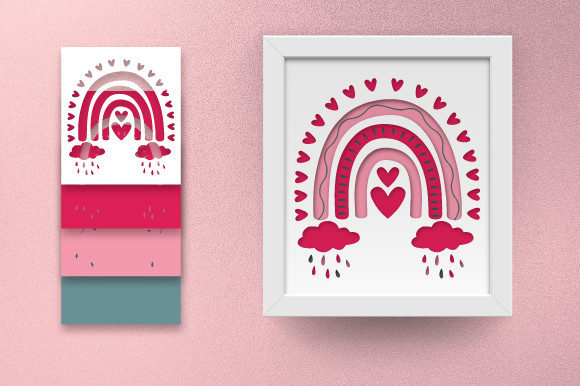
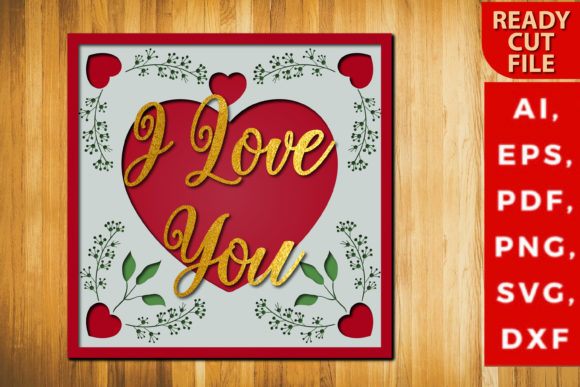
The immediate appeal of the Multi Layer Valentine's SVG lies in its structural complexity. Unlike flat, single-layer vector files that often look two-dimensional after stitching, this design explicitly plays with depth. The concept of a 3D SVG is particularly intriguing for shadow boxes and layered textile projects. Visually, the layers create a sense of volume that mimics the way light hits a real object. For a holiday embroidery project or a boutique product line, this kind of visual personality is exactly what separates a mass-produced item from a handmade treasure.
However, as a professional, I immediately started mentally mapping out the stitch types. To achieve the "3D" effect described in the file title, one would likely need to combine various techniques. You might use a dense fill stitch for the base layer, followed by a raised satin stitch for the middle elements, and perhaps delicate running stitches for the finest details. The layout suggests a design that demands attention to stitch density. If the density is too low, the layers will bleed through each other, ruining the illusion of depth. If it is too high, the fabric may pucker, especially on softer materials.
Real-World Application: From File to Finished Product
Let's talk about a specific scenario. Imagine you are an Etsy seller preparing a collection of custom apparel for the upcoming Valentine's season. You decide to test the Multi Layer Valentine's SVG on a heavy cotton sweatshirt. The weight of the garment provides a stable canvas, which is crucial for multi-layered designs. As you visualize the finished product, the layered hearts pop off the dark grey fabric, creating a focal point that draws the eye immediately.
This design feels perfectly suited for custom apparel like hoodies and tote bags where the surface area allows the layers to breathe. It also translates beautifully into an embroidered patch. If you were creating patches for a craft business, the distinct layers would allow for clean cutting around the perimeter without losing the intricate details. For a nursery decor piece or a baby embroidery project, the soft curves and romantic theme work well, provided the thread colors are chosen carefully to maintain a gentle aesthetic rather than a harsh contrast.
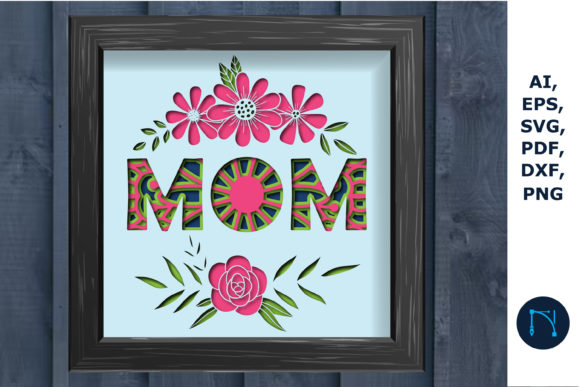
I can also see this design thriving in a Shadow Box context. Since the product category highlights Shadow Boxes, the 3D nature of the SVG is a natural fit. By embroidering each layer on separate pieces of fabric and mounting them at varying heights within a frame, you create a true three-dimensional artwork. This elevates the project from a simple decoration to a collectible piece, significantly increasing the perceived value for your customers.
Navigating Challenges: Where Caution Is Needed
While the potential is high, experienced designers know that no design is universally perfect. There are specific situations where the Multi Layer Valentine's SVG requires careful handling. First, consider small hoop sizes. If you attempt to stitch this complex, layered design in a tiny hoop, you risk running out of room for the stabilizer or having the layers overlap awkwardly due to fabric shifting. Always confirm the hoop size requirements before committing to a project.
Fabric texture is another critical factor. On textured fabrics like terry cloth or heavy denim, the fine details of the inner layers might get lost. The texture of the fabric can interfere with the precision needed to distinguish between the different levels of the design. Similarly, on stretchy fabrics like jersey knit, the tension required for multiple layers can cause distortion. In these cases, using a strong stabilizer is non-negotiable. Without it, the finished product could warp after washing, leading to unhappy customers and damaged brand reputation.
Dark fabrics present their own challenge. While they offer great contrast, the sheer volume of thread required for a multi-layer design can make the back of the fabric stiff. If you are making a lightweight item like a scarf or a tea towel, the stiffness might be uncomfortable. Furthermore, if the design includes tiny lettering or very thin lines in the upper layers, ensure your machine can handle the detail without breaking threads or creating bird nests.
Design Judgment: Value and Professionalism
Ultimately, the decision to use the Multi Layer Valentine's SVG comes down to how it affects your brand's perception. A well-executed multi-layer design signals quality. It tells the customer that you have invested time in selecting premium design assets and executing them with care. This builds trust and encourages repeat business. Conversely, a poorly executed version—where layers are muddy or the stitching is uneven—can do more harm than good.
For the digital product seller, offering mockups that accurately represent this 3D effect is vital. A flat printable mockup might not capture the essence of the design. Consider creating photos of actual stitched samples to show the depth. This transparency helps buyers understand exactly what they are purchasing, whether it is a digital embroidery file or a finished handmade product.
Practical Notes for the Embroidery Designer
Before you rush to list this design in your shop or start your next client order, follow these practical steps:
- Test on Scrap Fabric: Never skip this step. Stitch the Multi Layer Valentine's SVG on a scrap piece of the exact fabric you plan to use. Check for puckering, thread breaks, and color bleeding between layers.
- Check Thread Contrast: Ensure the thread colors you choose for each layer provide enough contrast to define the depth. Similar shades might blend together, defeating the purpose of the 3D effect.
- Review Stabilizer Needs: Multi-layer designs often require tear-away or cut-away stabilizers depending on the fabric weight. Test different options to find the best support.
- Verify Licensing: Before selling any finished product or digital file, confirm the licensing terms. Ensure you have the right to sell items made with this design commercially.
- Mockup Variations: Create both black-and-white and color mockups to see how the design reads in different contexts. This helps in planning your marketing materials.
In conclusion, the Multi Layer Valentine's SVG is a powerful tool for creative entrepreneurs looking to add dimension to their Valentine's collections. Whether used for a sweatshirt embroidery project, a personalized gift, or a unique shadow box creation, its success depends on your technical execution. By respecting the limitations of your materials and machines, you can turn this digital file into a standout piece that resonates with customers and grows your sales.